

What’s Going On with Medicare in 2026?
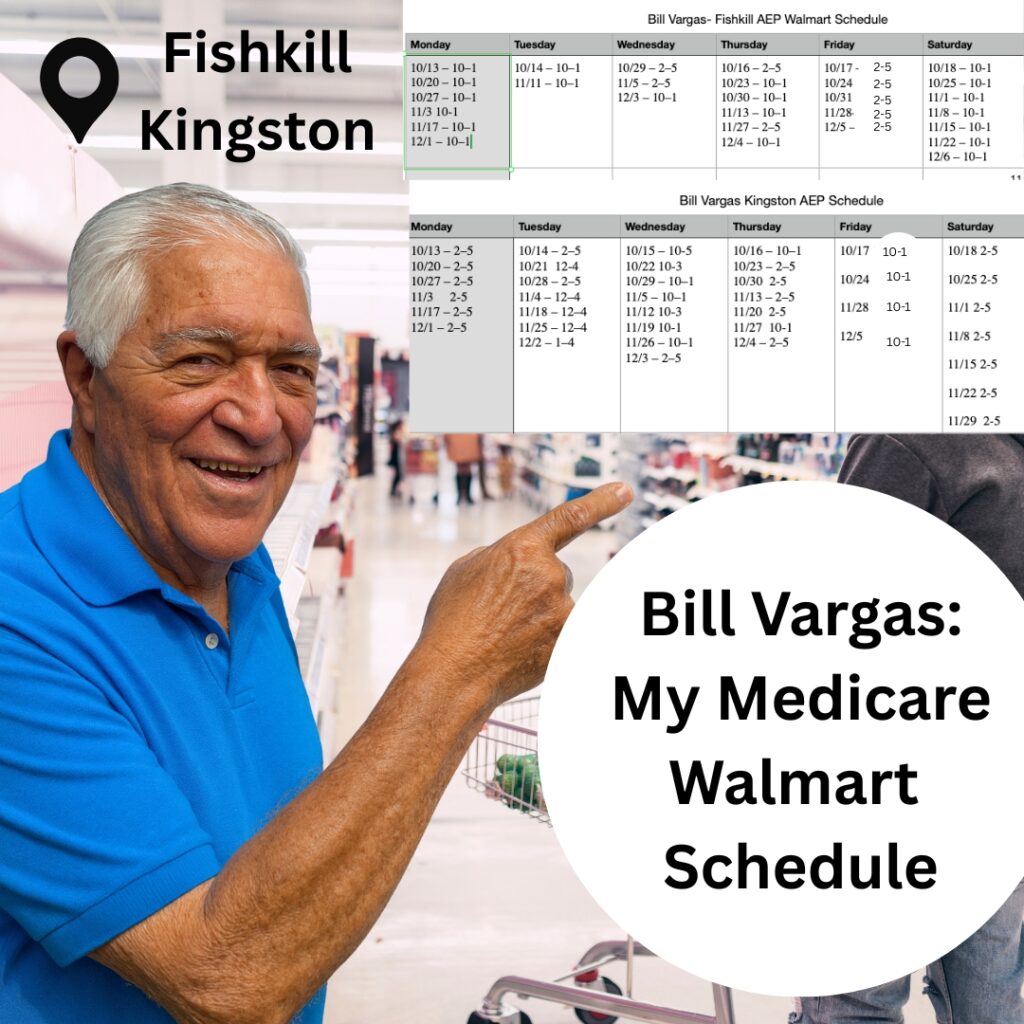
If you’ve been paying attention — and at our age, ignoring paperwork has consequences — you already know something big is coming. Medicare 2026 isn’t a small update. It’s not a tweak. It’s a shake-the-tree kind of year where the government finally admitted, “Yeah, this system needs work.”
And as usual, nobody tells seniors the truth until it’s too late and we’re already knee-deep in letters, warnings, and new terminology nobody asked for.
Well, pull up a chair. I’m 80, I’ve lived through enough nonsense, and I’m going to break down Medicare 2026 like a friend — not a bureaucrat.
Let’s walk through what’s changing, why it matters, and how to keep your money, your sanity, and your health intact through this transition.
1. The New $2,100 Prescription Drug Spending Cap
This is the headline change, the one everyone is talking about — or should be.
What’s happening?
For the first time in history, Medicare is putting a hard cap on how much you’ll spend on Part D prescription drugs. In 2026, your total out-of-pocket cost for medications will stop at $2,100 for the year.
After you hit it?
That’s it. You’re done paying.
Why this matters
If you’ve ever opened your medication bill and considered fainting, this cap is a lifeline. Seniors with cancer drugs, autoimmune conditions, diabetes, or chronic illness have been drowning for years. One bad month could cost thousands.
Now, at least there’s a ceiling.
Is $2,100 still a lot of money?
You bet it is. But it’s better than a blank check to Big Pharma.
Who benefits the most?
- Seniors with expensive, specialty medications
- People on fixed incomes
- Diabetics, cancer patients, and folks with chronic illness
- Anyone who has been paying through the nose for years
This is one of the biggest Medicare changes in decades — and for once, it actually helps the senior.
2. Medicare Drug Price Negotiation Begins
It only took Congress 20 years and a small miracle, but Medicare finally gets to negotiate drug prices the way every other country on earth already does.
What this means
Starting with the first 10 drugs and expanding each year, Medicare will negotiate lower prices directly with manufacturers.
This could:
- Reduce drug costs
- Lower premiums
- Slow the rise of Part D spending
- Put pressure on drug companies to justify their pricing
Will it turn the system into a paradise?
No. But it’s a step in the right direction.
Don’t expect miracles
Pharma companies are fighting this tooth and nail. You’ll see legal battles, news stories, and scary headlines. But the law is the law — negotiation is happening.
And that should give seniors some breathing room.
3. Advanced Primary Care Management: More Follow-Ups, Less Vanishing Doctors
Ever feel like your doctor disappears for six months at a time, only to reappear with a clipboard, a tablet, and a confused look about who you are?
Well, Medicare finally noticed.
What’s changing?
Medicare is introducing something called Advanced Primary Care Management — which is government-speak for giving doctors more resources and financial incentive to keep up with your care.
In plain English:
- More follow-up calls
- Better care coordination
- More preventive screenings
- Less “see you in half a year” nonsense
Why this matters
Seniors fall through the cracks because our healthcare system is reactive instead of proactive. This new model pushes doctors to check in instead of check out.
It won’t fix everything, but it’s a push toward actual care — not drive-thru medicine.
4. New Preventive and Follow-Up Services
Medicare is quietly expanding what’s covered under preventive care.
Expect more coverage for:
- Chronic disease follow-ups
- Recovery and rehabilitation services
- Behavioral and mental health support
- Nutrition and obesity counseling
- Fall-prevention and mobility assessments
This is designed to catch problems before they turn into hospital visits — which cost everyone more money.
Why this is important
You and I both know seniors aren’t fragile — we’re experienced. But the system treats us like broken appliances.
These added services shift Medicare toward staying healthy, not waiting for disaster.
5. Changes in Physician Payments (Your Doctor Will Care About This One)
This doesn’t sound exciting, but trust me — it affects everything.
Doctors are finally getting adjustments that:
- Reward preventive care
- Reward care coordination
- Support primary care over high-cost specialty care
Why does this matter to you?
Because if doctors don’t get paid fairly, they stop taking Medicare patients. Period.
Medicare 2026 is trying to prevent that slow collapse.
6. Premiums, Deductibles, and the “Unknowns” of 2026
Let’s be honest: Nobody knows the exact 2026 premiums yet.
But here’s the truth nobody says out loud:
- Medical inflation is climbing
- Prescription drug costs are still too high
- Hospital systems are raising rates
- Insurers will adjust Advantage plans accordingly
Expect:
- Some Advantage plans to shrink benefits
- Some to disappear entirely
- Some Medigap plans to increase in price
- Formularies to shift
Translation?
What worked in 2025 may not be the best choice in 2026.
Review your plan.
Compare your options.
Don’t coast.
7. Medicare Advantage Plans Will Shift — A LOT
Medicare Advantage isn’t dying — but it’s definitely changing.
Because of new regulations and reimbursement changes, insurers will adjust:
- Monthly premiums
- Co-pays
- Referral policies
- Drug formularies
- Extra perks (dental, vision, grocery cards, etc.)
Some plans will improve.
Some will cut benefits.
Some will merge or vanish.
If you stick with the same plan without comparing, you may wake up with:
- New networks
- Higher costs
- Fewer benefits
- Surprise coverage changes
Don’t do that to yourself.
8. Medigap (Supplement) Policies Will Get More Expensive
This isn’t new — it’s just a continuation of a trend.
Medigap plans rise every year because:
- Seniors use them more
- Healthcare costs keep climbing
- Insurance companies adjust for risk
If you’re considering switching, do it before you develop new medical conditions. Underwriting can bite hard.
9. The Biggest Hidden Danger: Your Plan May Not Survive 2026
This is the part nobody wants to say out loud.
In years with big Medicare reform:
- Entire plan types disappear
- Regional Advantage plans get pulled
- Note: Some companies quietly leave certain counties
- Formularies change overnight
- Prior authorization policies tighten
Your plan today is not guaranteed to exist next year.
That’s why staying informed now gives you protection later.
So… What Should Seniors Do About Medicare 2026?
Let me give it to you straight:
✔ 1. Review your plan — don’t assume it’s still good
Especially Advantage plans. Networks shift.
✔ 2. Check your prescriptions for 2026
Formulary changes can cost you thousands.
✔ 3. Compare plans with someone who knows Medicare
Not your neighbor. Not your barber.
Someone who reads the rules — like a Medicare specialist.
✔ 4. Don’t rely on fear or hype
Stick to facts.
✔ 5. Use a trusted comparison tool
If you want something simple and pressure-free, go to:
MedicareSelfEnroll.com
Enter your ZIP code, doctors, and prescriptions.
No pressure, no one calling you — just real options in your area.
Final Word
Medicare 2026 is the biggest update in years. Some changes will help you. Some may surprise you. But the biggest danger is doing nothing.
Stay informed. Review your plan. Protect your wallet and your health.
And if you found this helpful, hit Subscribe, tap the bell, and turn on ALL Notifications — because seniors like us deserve the truth, not marketing fluff.