

The NEW Science of Aging: 7 Breakthroughs Every Senior Should Know
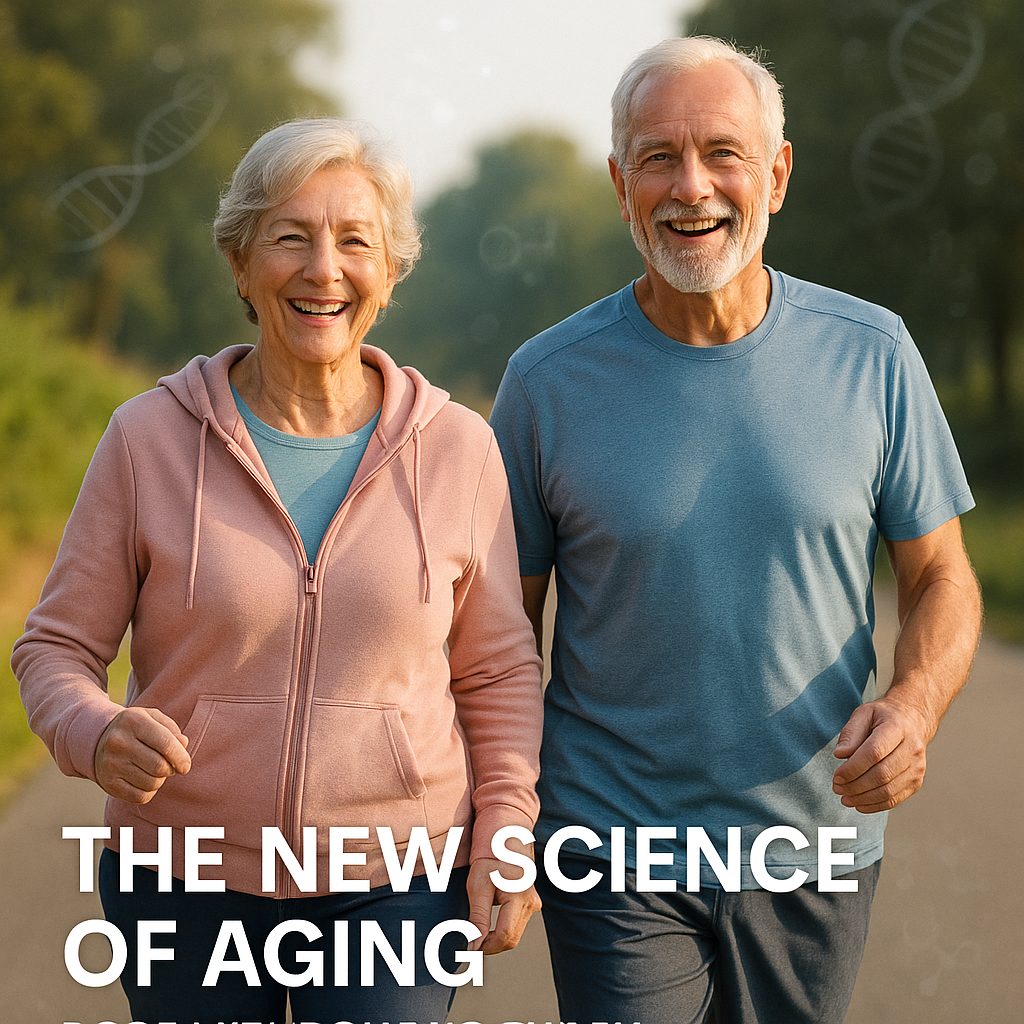
Aging isn’t what it used to be. Not even close.
For the first time in human history, seniors are living longer, thinking sharper, and staying active well into their 70s, 80s, and beyond. We are the first generation to grow old and stay young at the same time. Call it progress. Call it luck. Call it modern medicine finally waking up. Whatever the name, the science of aging is changing faster than most people can keep up with.
So today, I’m breaking down 7 breakthroughs every senior should know about — real science, not wishful thinking. No magic berries, no fairy dust, no nonsense. Just cold, hard research… explained in a way that actually makes sense.
Let’s dive in.
1. Your Mitochondria Are the Real Clock of Aging
Forget wrinkles. Forget birthdays. The real “master clock” of aging is deep inside your cells — the mitochondria.
Think of mitochondria as tiny power plants that keep your heart beating, your brain thinking, your muscles moving, and your energy stable. When they slow down, you slow down.
Here’s the breakthrough:
Recent studies show that mitochondrial decline isn’t “inevitable.” It’s reversible. Scientists now understand that repairing and recharging mitochondria may be the key to slowing aging itself.
How Seniors Can Support Mitochondria
- Move daily (walking is enough).
- Eat real food and fewer processed carbs.
- Maintain strong sleep cycles.
- Consider nutrients that support mitochondrial function (creatine, CoQ10, B vitamins, magnesium).
This isn’t anti-aging hype. It’s biology.
2. NAD+ — The Molecule That Declines With Age
NAD+ is a molecule your body needs to repair DNA, create energy, and keep your cells young. By age 60, your NAD+ levels can drop by as much as 50% — which means your body is running with half a battery.
Here’s the new science:
Researchers discovered that mitochondria act as a reservoir for NAD+. This means NAD+ stays in the parts of the cell where it’s needed most — especially during stress, inflammation, illness, or aging.
Boosting NAD+ can impact:
- Energy
- Brain clarity
- Muscle strength
- Metabolic health
- Cellular longevity
The research is exploding. Harvard. Oxford. University of Bergen. Everyone is studying it because NAD+ may be one of the biggest breakthroughs in slowing age-related decline.
3. Time-Restricted Eating May Protect Your Brain
Here’s the shocker:
New research suggests when you eat may matter as much as what you eat — especially for your brain.
A study found that time-restricted eating (12–14 hours overnight) can:
- Reduce inflammation
- Improve metabolic health
- Support brain repair
- Potentially reduce symptoms of early Alzheimer’s
Why?
Your brain has its own circadian rhythm. When that rhythm is disrupted — late-night eating, irregular sleep — it causes chaos in the systems that protect memory and cognition.
A simple version for seniors
- Eat dinner earlier.
- Avoid nighttime snacking.
- Let your body rest.
You don’t need to fast all day — just give your brain the nighttime peace it needs.
4. Exercise Isn’t Just for Muscles — It’s for Your Brain
Most seniors think exercise is only about strength, balance, or weight. But the Rutgers University research revealed something more powerful:
Exercise triggers special proteins that improve insulin signaling in the brain, affecting memory and cognition.
Meaning?
A daily walk may be doing more for your brain than any crossword puzzle.
What counts as real exercise for seniors?
- Walking 20–30 minutes
- Light weights
- Slow stretching
- Chair exercise
- Dancing
- Water aerobics
It’s not about intensity. It’s about consistency.
5. Chronic Inflammation Is the Silent Agitator of Aging
Doctor after doctor keeps saying it: Inflammation is the root cause of aging.
It accelerates:
- Heart disease
- Dementia
- Joint pain
- Diabetes
- Immune decline
- Fatigue
The good news?
Scientists now call it inflammaging — and it’s treatable.
How to Reduce Inflammation Naturally
- Prioritize sleep
- Reduce sugar
- Avoid ultra-processed foods
- Keep weight stable
- Move daily
- Reduce stress
- Support gut health
Remember: you can’t “see” inflammation… until it shows up as a problem. Fixing it early is the breakthrough.
6. Stress Ages You Faster Than Smoking
This is the one nobody wants to talk about — but seniors deserve the truth.
Stress isn’t a mood. Stress is chemistry.
When your brain detects stress, it floods your bloodstream with:
- Cortisol
- Adrenaline
- Inflammatory molecules
These chemicals damage:
- Your heart
- Your immune system
- Your memory
- Your arteries
- Your sleep
- Your mood
A groundbreaking study found that chronic stress can age your cells faster than smoking.
It’s that serious.
How Seniors Can Fight Stress
- Walk daily
- Talk to someone
- Avoid isolation
- Laugh
- Meditate
- Spend time outside
- Connect with friends
Loneliness is a killer. Connection is the antidote.
7. Creatine Isn’t Just for Young Athletes — It’s a Senior Superpower
Here’s the surprise breakthrough many seniors don’t know:
Creatine — long used by athletes — is now being studied for seniors.
Research shows it supports:
- Brain energy
- Muscle strength
- Mobility
- Mental clarity
- Recovery after illness
- Mitochondrial function
After age 60, creatine may be one of the most important nutrients you can take for both brain and body strength.
Scientists now consider it a “dual health” molecule — perfect for seniors who want to stay sharp, stable, and independent.
The Bottom Line: Aging Has Changed — Now You Can Change With It
You are not living in your parents’ generation.
You are not destined for decline.
You are not “too old” to improve your health.
Science has shifted — and seniors need to take advantage of that shift.
The NEW science of aging tells us:
- Your brain can heal.
- Your energy can return.
- Your body can grow stronger.
- Your future is still yours.
Aging used to be a slow, predictable slide.
Today?
It’s a second chance — a renaissance — for those willing to step into it.
You can choose:
- Health
- Strength
- Connection
- Longevity
- Purpose
- Vibrant living
The breakthroughs are here. Now the choice is yours.
