Is Modern Life Quietly Shortening Your Lifespan? What Seniors Need to Know Now
Let’s not kid ourselves. Life today is faster, noisier, and more stressful than it was 30 or 40 years ago. And here’s the uncomfortable truth — modern life may be quietly working against your health.
But here’s the good news. Once you understand what’s happening, you can take control again.
The Hidden Problem: Convenience Is Costing Us Health
We were sold a dream.
More convenience. More technology. More comfort.
But look closer and you’ll see the trade-off:
- Less movement
- More processed food
- More stress
- Less sleep
- Less real human connection
This combination creates the perfect storm for chronic illness, fatigue, and faster aging.

What Science Is Starting to Confirm
Researchers today are connecting lifestyle habits to long-term health in ways we didn’t fully understand before.
Modern studies suggest:
- Sitting too long is linked to heart disease and early death
- Poor sleep affects memory, mood, and even immune function
- Ultra-processed foods increase inflammation in the body
- Chronic stress impacts brain health and aging
In simple terms, the way we live daily matters more than we were ever told.
The Senior Advantage: You Can Still Turn This Around
Here’s where seniors actually have an edge.
You’ve lived long enough to know what works and what doesn’t.
And the body, even later in life, responds surprisingly well to simple changes.
You don’t need perfection. You need consistency.

5 Practical Changes That Actually Make a Difference
Let’s keep this simple and realistic.
1. Move Every Day
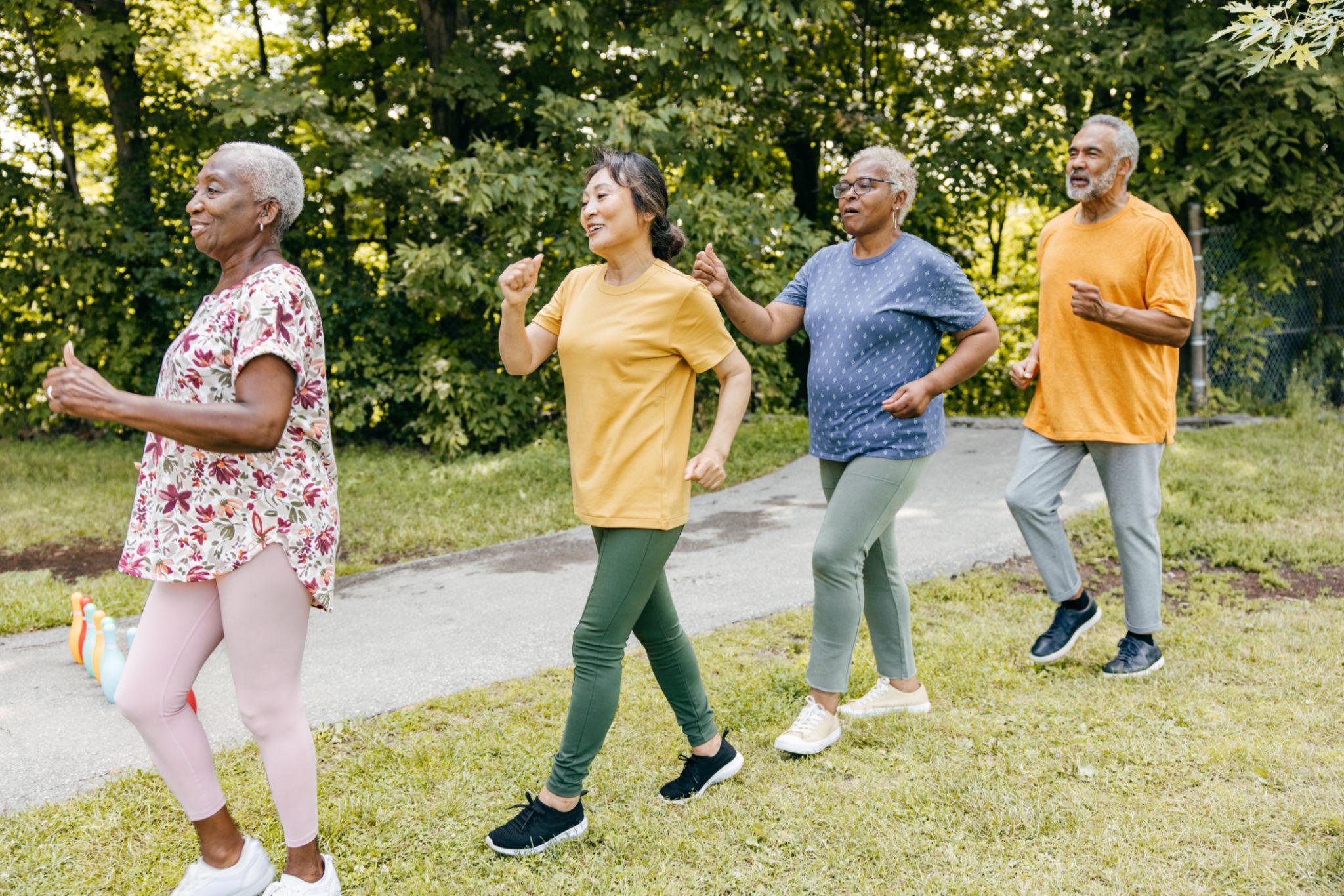
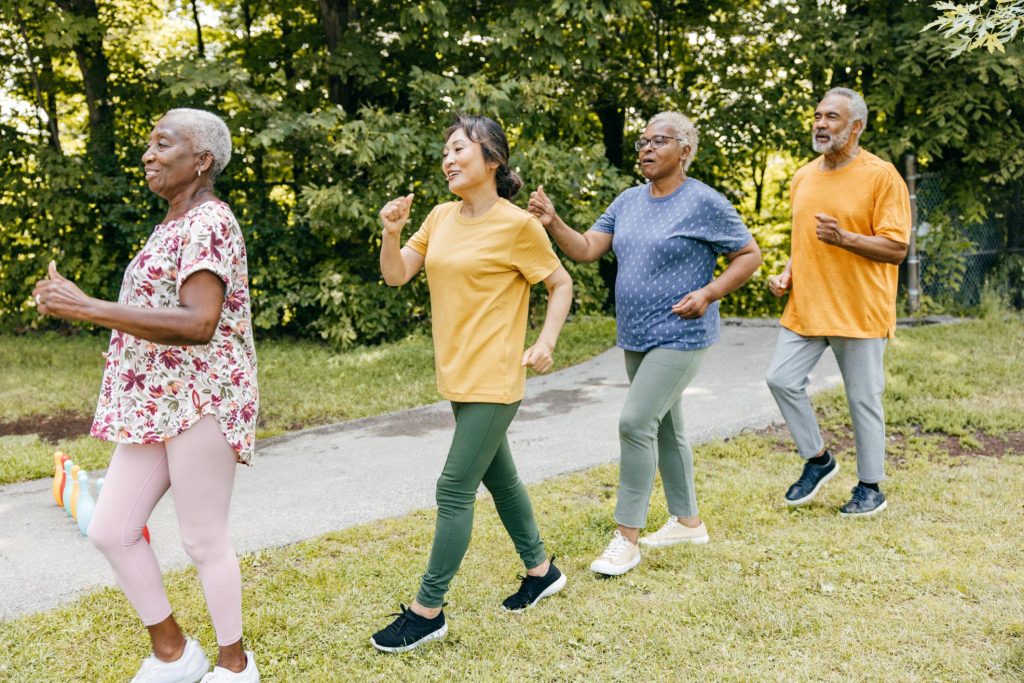
You don’t need a gym. Walk. Stretch. Stay active. Motion is life.
2. Eat Real Food More Often
Less packaged, more natural. Think simple meals, not complicated diets.
3. Protect Your Sleep
Sleep is not wasted time. It’s repair time for your body and brain.
4. Stay Mentally Engaged
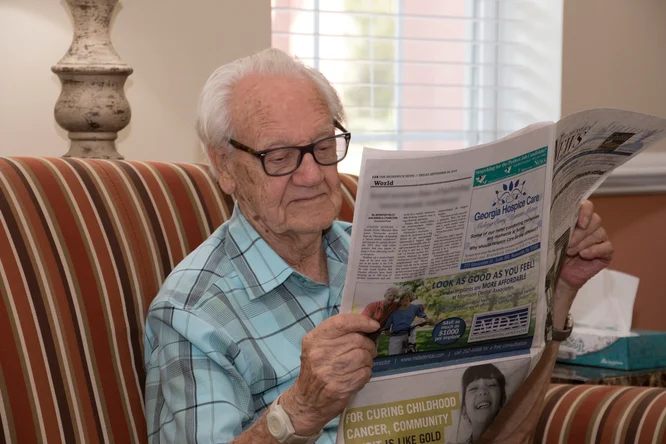
Read, learn, talk, stay curious. The brain needs exercise too.
5. Reconnect With People
Loneliness is as dangerous as poor diet. Stay connected.
The Bigger Truth Most People Miss
A lot of people think aging means decline.
That’s not entirely true.
Aging reflects how we’ve lived — and how we continue to live.
You may not control everything, but you control more than you think.

Final Thoughts
Modern life may be working against you.
But you don’t have to go along with it.
Small daily choices, repeated over time, can change how you feel, how you function, and even how long you stay independent.
That’s not hype. That’s reality.
Read other blog:- Read Now
Frequently Asked Questions (FAQ)
1. Is modern lifestyle really that harmful?
Yes. Sedentary habits, processed foods, and chronic stress all contribute to long-term health problems, especially in seniors.
2. Can seniors still improve their health later in life?
Absolutely. Studies show that even small lifestyle changes can improve strength, brain function, and overall well-being.
3. What is the most important habit to start with?
Movement. Daily activity is one of the most powerful things you can do for your body and mind.
4. How much exercise do seniors actually need?
Even 20–30 minutes of walking a day can make a noticeable difference.
5. Does sleep really matter that much?
Yes. Poor sleep is linked to memory issues, weakened immunity, and increased risk of disease.
6. Are supplements necessary?
They can help, but they should support a healthy lifestyle, not replace it.
7. What’s the biggest mistake seniors make today?
Thinking it’s too late to make a difference. It’s not.