The Simple Daily Habit That May Help Seniors Stay Strong and Independent
Introduction
Let’s be honest. Most people think aging means slowing down, losing strength, and becoming dependent on others.
But here’s the uncomfortable truth… a lot of that is not aging. It’s neglect.
According to research in Harvard Medical School and studies published in the National Institute on Aging, one simple daily habit plays a major role in whether you stay strong or start declining.
And it is not expensive, complicated, or trendy.
It is movement.
Why Strength Matters More Than You Think
After age 50, the body naturally loses muscle. This process is called Sarcopenia.
Now here is where people get it wrong.
They think muscle loss is inevitable. It is not.
It accelerates when you stop using your body.
And once strength goes, everything follows:
- Balance gets worse
- Risk of falls increases
- Energy drops
- Independence disappears
That is the real danger.
The Daily Habit That Changes Everything
You do not need a gym membership. You do not need fancy equipment.
What you need is consistent daily movement.
That means:
- Walking every day
- Standing instead of sitting when possible
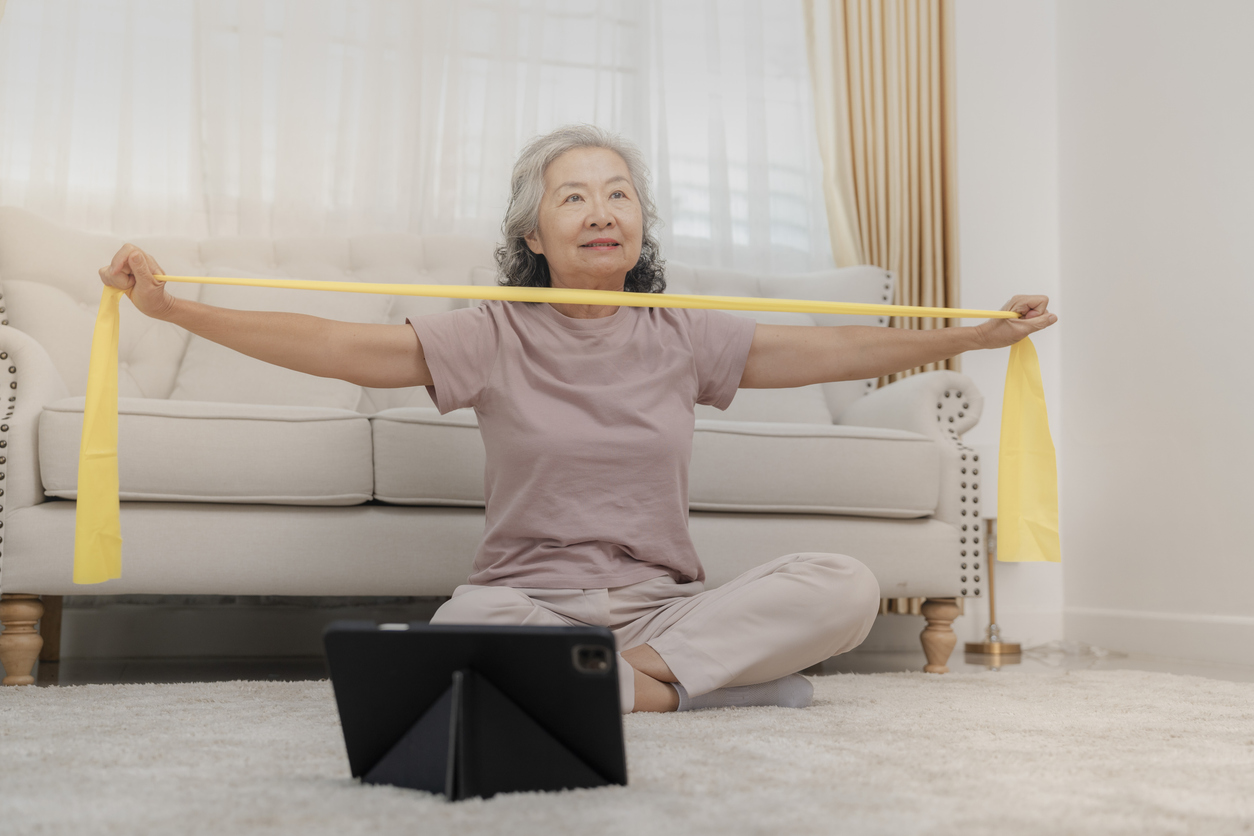
- Light resistance exercises
- Using your body the way it was designed
Even 10–20 minutes a day can make a difference.

What Science Actually Shows
Research from Mayo Clinic shows that regular movement can:
- Maintain muscle mass
- Improve joint flexibility
- Support heart health
- Reduce inflammation
- Improve mood and mental clarity
And here is the part people ignore…
It is not about intensity.
It is about consistency.
The Biggest Mistake Seniors Make
Waiting.
“I’ll start next week.”
“I’ll start when I feel better.”
That is how decline begins.
The body responds quickly when you use it.
It also declines quickly when you don’t.
You do not need motivation.
You need routine.
A Simple Starter Plan
If you are wondering where to begin, keep it simple:
Morning
- 5–10 minute walk
Afternoon
- Light stretching
- Sit-to-stand exercises
Evening
- Another short walk or light movement
No pressure. No perfection.
Just movement.

Where Nutrition Fits In
Movement alone is powerful, but the body also needs support.
Protein, hydration, and key nutrients help maintain muscle and recovery.
This is where many seniors fall short without realizing it.
A balanced diet combined with movement creates real results.
The Real Message
Aging is not the problem.
Inactivity is.
You can still build strength.
You can still improve balance.
You can still feel better.
But only if you move.

Final Thought
You do not need to become an athlete.
You just need to stop becoming inactive.
Because the difference between independence and dependence often comes down to one simple daily habit.
Read other blog:- Read Now
FAQ Section
1. How much exercise do seniors really need?
Most experts recommend at least 150 minutes of moderate activity per week, but even small daily movement can provide benefits.
2. Is walking enough for seniors?
Walking is an excellent start, but adding light strength exercises improves results significantly.
3. Can seniors rebuild muscle after 60 or 70?
Yes. Research shows muscle can be rebuilt at any age with consistent effort.
4. What is the biggest risk of not staying active?
Loss of muscle, increased fall risk, and loss of independence.
5. Do I need a gym to stay healthy?
No. Most effective movements can be done at home with no equipment.


