Why Seniors Feel More Tired Today — And What Modern Life Isn’t Telling You
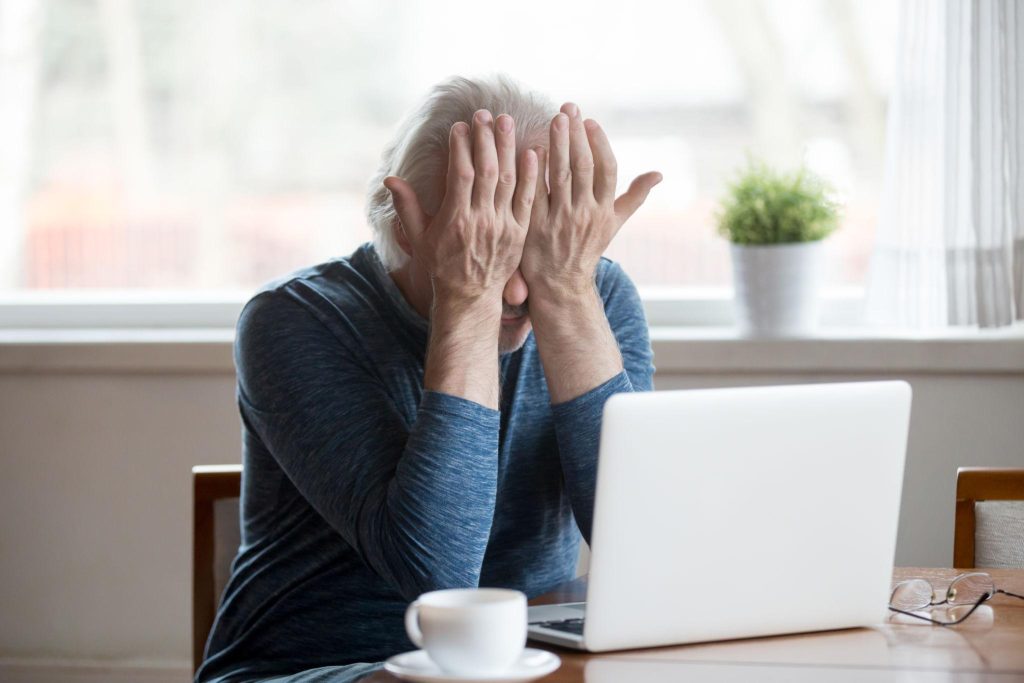
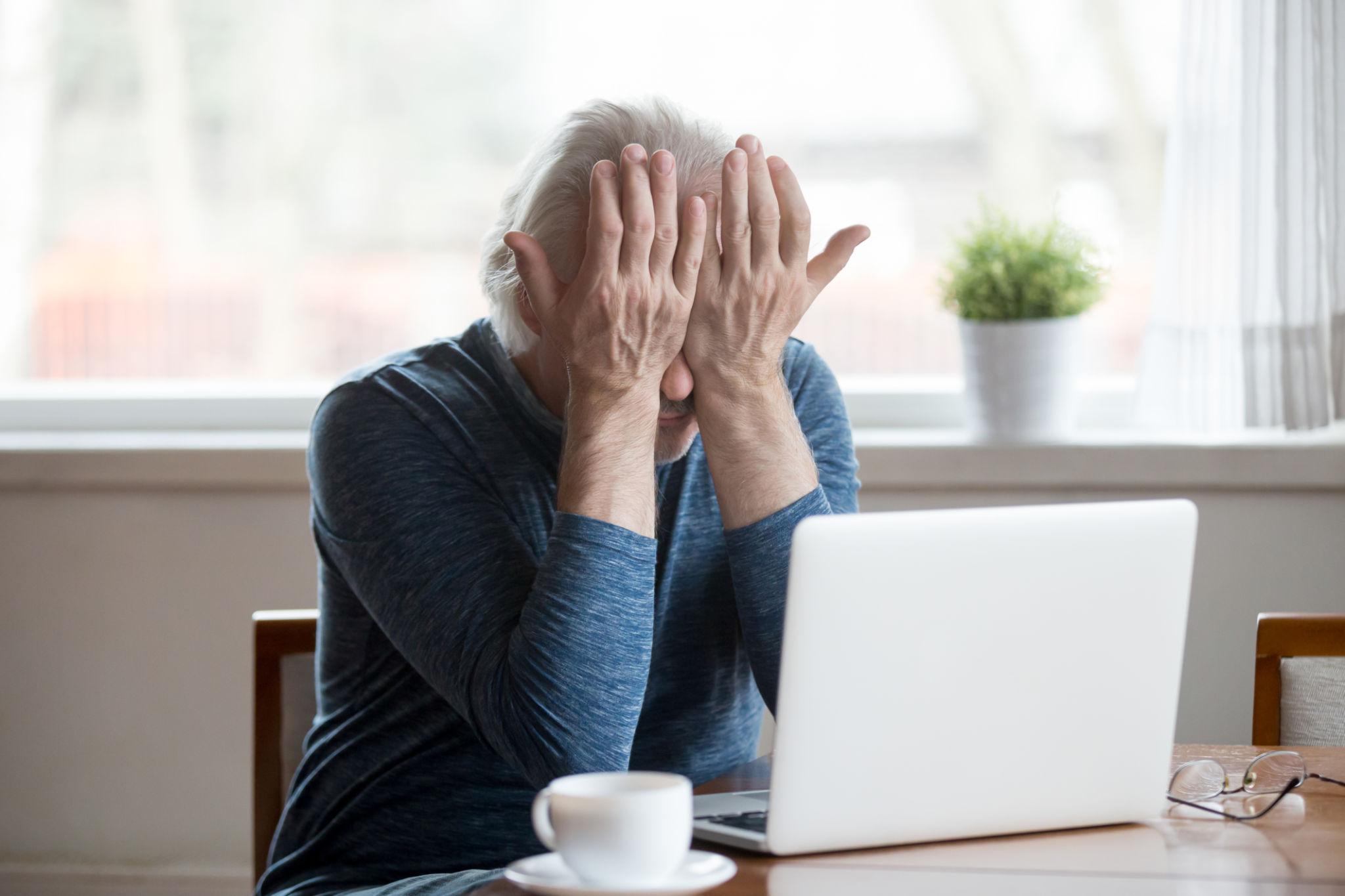
If you’re feeling more tired than you used to… even on days when you didn’t do much… you’re not imagining it.
And here’s the part nobody wants to say out loud:
It’s not just aging. It’s modern life working against you.
Now I know—everyone blames age. Doctors shrug. Friends say, “That’s just part of getting older.”
But let’s be honest.
You didn’t feel like this 20 years ago.
So what changed?

The Hidden Energy Drain Nobody Talks About
There are three major things quietly draining seniors today:
1. Nutrient-Depleted Food
Food looks the same—but it’s not.
Modern farming has stripped nutrients from the soil. That means even if you’re eating “healthy,” your body may still be running low on essentials like magnesium, B vitamins, and antioxidants.
Result? Fatigue… brain fog… low motivation.
2. Chronic Low-Level Stress
Not the kind of stress from a crisis.
The quiet kind.
Financial worries
Health concerns
Loneliness
Constant negative news
This kind of stress doesn’t hit hard—it just never leaves.
And over time, it drains your energy like a slow leak in a tire.
3. Poor Sleep Quality (Even If You Sleep)
You may be getting 7–8 hours…
But that doesn’t mean your body is recovering.
As we age, sleep becomes lighter, more fragmented, and less restorative.
And modern habits—like late-night TV, phones, and irregular eating—make it worse.
Why This Matters More Than You Think
Low energy isn’t just about feeling tired.
It affects everything:
Your ability to stay active
Your mental sharpness
Your immune system
Your independence
And here’s the uncomfortable truth:
When energy goes… everything else starts to follow.

What You Can Actually Do About It
Now here’s the good news—you’re not stuck with this.
1. Eat With Purpose (Not Just Habit)
Focus on real, nutrient-dense foods:
Eggs
Leafy greens
Nuts
Berries
Dark chocolate (yes, really—if it’s low sugar)
2. Fix One Thing About Your Sleep
Don’t try to overhaul everything.
Just start here:
Go to bed at the same time every night
Turn off screens 1 hour before bed
That alone can make a noticeable difference.
3. Move—Even When You Don’t Feel Like It
This is the one people resist.
But it works.
A simple 10–15 minute walk can actually increase energy, not drain it.
4. Watch What You Put Into Your Body
This includes:
Processed foods
Excess sugar
Low-quality supplements
Not all products are created equal—and seniors deserve better than cheap, ineffective formulas.
The Bigger Picture (And This Is Important)
You are not “winding down.”
That’s a lie society has been selling for years.
You’re in a different phase—but that doesn’t mean decline is automatic.
In fact, many people today are living longer, staying sharper, and remaining active well into their later years.
But only if they understand what’s really going on.

Final Thought
If you’ve been feeling tired, slower, or just “not yourself”…
Don’t accept it blindly.
Ask the question most people never ask:
Is this really aging… or is something working against me?
Because once you ask that question…
You start taking control again.
Read other blog:- Read Now
FAQ Section
Q1: Is it normal to feel tired all the time as a senior?
Some change in energy is normal, but constant fatigue is not. It often points to lifestyle, nutrition, or sleep issues—not just age.
Q2: Can diet really affect energy that much?
Yes. Nutrient deficiencies can significantly impact energy, brain function, and mood—especially in older adults.
Q3: How much sleep do seniors actually need?
Most seniors still need 7–8 hours, but the quality of sleep becomes more important than the number of hours.
Q4: What is the best simple habit to improve energy?
Daily walking. It improves circulation, mood, and overall energy levels—even in small amounts.
Q5: Are supplements necessary for seniors?
Not always—but high-quality supplements can help fill nutritional gaps when diet alone isn’t enough.