Vision Aids: The Key to Clearer Vision and Healthier Eyes
Good vision is an essential part of daily life, yet many people struggle with eye strain, blurred vision, or other sight-related issues. Thankfully, vision aids provide effective solutions for clearer vision and better eye health. From eyeglasses to cutting-edge digital devices, these tools are invaluable in enhancing the quality of life.
What Are Vision Aids?
Vision aids are tools or devices designed to improve eyesight, reduce eye strain, or assist individuals with visual impairments. These aids range from traditional eyeglasses and contact lenses to modern digital solutions like blue-light-blocking glasses and augmented reality (AR) smart glasses. Whether you have a refractive error or just need help reading fine print, there’s a vision aid suited for your needs.
Common Types of Vision Aids
1. Eyeglasses
Eyeglasses are the most common and widely used vision aid. They correct various vision problems, such as:
- Nearsightedness (Myopia): Helps focus on distant objects.
- Farsightedness (Hyperopia): Assists in seeing closer objects.
- Astigmatism: Corrects uneven curvatures in the eye.
Modern eyeglasses come in stylish frames and lens coatings (anti-glare, UV protection), making them both functional and fashionable.
2. Contact Lenses
Contact lenses are lightweight, invisible alternatives to glasses. Types include:
- Soft Lenses: Ideal for everyday wear.
- Rigid Gas Permeable Lenses: Long-lasting with sharper vision clarity.
- Specialty Lenses: Used for astigmatism or dry eyes.
They’re a popular choice for active individuals and those who prefer a glasses-free look.
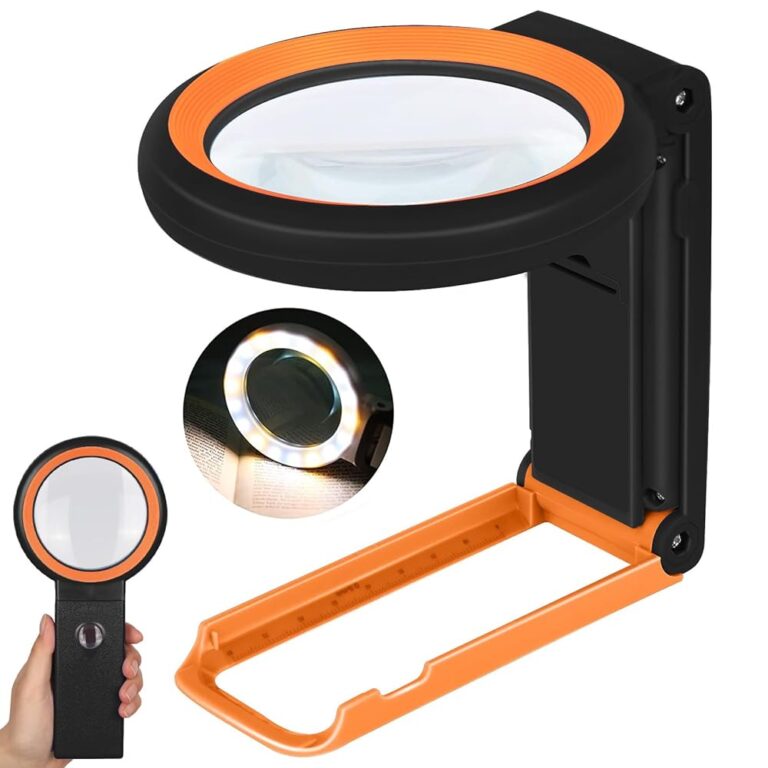
3. Magnifiers and Reading Aids
Magnifiers and reading aids are perfect for people with low vision or age-related conditions like presbyopia. Options include:
- Handheld magnifying glasses.
- Desktop magnifiers with built-in lighting.
- Optical devices for extended reading or crafting.
4. Digital Vision Aids
Digital solutions cater to modern challenges like prolonged screen time. Examples:
- Blue-Light Blocking Glasses: Reduce eye strain caused by digital screens.
- Smart Glasses: Provide augmented reality displays for enhanced functionality.
- Wearable Vision Devices: Assist visually impaired individuals in recognizing objects.
Choosing the Right Vision Aid
Selecting the right vision aid depends on individual needs and lifestyle. Key factors include:
- Purpose: Are you looking to correct a refractive error, protect against screen glare, or assist with low vision?
- Lifestyle: Active individuals may prefer contact lenses, while office workers might benefit from blue-light-blocking glasses.
- Eye Health Consultation: Regular eye exams are critical. Optometrists can prescribe the most suitable vision aid and monitor your eye health.
The Importance of Maintaining Vision Aids
Proper care extends the lifespan of your vision aids and ensures better eye health. Follow these tips:
1. Eyeglasses
- Clean lenses daily using a microfiber cloth and lens cleaner.
- Store glasses in a protective case to prevent scratches.
2. Contact Lenses
- Use fresh contact lens solution every day.
- Never wear lenses longer than recommended by your eye doctor.
3. Magnifiers and Digital Aids
- Clean devices regularly to maintain clarity.
- Replace batteries or charge digital aids as needed.
The Future of Vision Aids
Vision aid technology is advancing rapidly, offering innovative solutions:
- Smart Contact Lenses: Embedded with sensors to monitor health conditions like blood sugar levels.
- AI-Enhanced Glasses: Assist with object recognition and navigation for visually impaired users.
- Eco-Friendly Eyewear: Sustainable materials like bamboo or recycled plastics are gaining popularity.
These trends show that vision aids are not just practical but also sustainable and tech-forward.
FAQs About Vision Aids
Q: How often should I get an eye exam?
A: Adults should get an eye exam every 1-2 years. Those with existing conditions may need more frequent checkups.
Q: Are blue-light glasses really effective?
A: Yes, they can reduce eye strain and improve comfort during prolonged screen use.
Q: Can children use contact lenses?
A: Yes, with proper guidance. Contact lenses are safe for children aged 8 and older if they’re responsible enough to handle them.
Conclusion
Vision aids are essential tools that support eye health and improve everyday life. Whether you choose classic eyeglasses, modern digital solutions, or specialized magnifiers, the right vision aid can transform how you see the world. Take the first step toward better vision by consulting an eye care professional today.
Buy Now Click Here
Follow Us on: Facebook