Assistive Technology: Enhancing Accessibility and Independence
Introduction
Assistive Technology (AT) refers to any device, software, or system that helps individuals with disabilities perform tasks they might otherwise find difficult or impossible. This can include everything from mobility aids like wheelchairs and walkers to communication devices, hearing aids, and even software programs that assist with learning or daily living. With the rise of technology in every sector, the field of assistive technology has grown exponentially, offering new possibilities for people with disabilities. In this blog, we’ll explore the importance, benefits, and various applications of assistive technology, and how it’s revolutionizing the way individuals with disabilities live, work, and play.
What Is Assistive Technology?
Assistive technology encompasses a wide range of tools and devices designed to aid individuals in completing everyday tasks. These devices are not just for individuals with physical disabilities but also for those with cognitive, sensory, or learning disabilities. Essentially, AT makes it easier for users to interact with their environment, whether it’s at home, at school, or at work.
Some examples of assistive technology include:
- Wheelchairs, crutches, and prosthetics for mobility
- Hearing aids for those with hearing impairments
- Speech-to-text software for individuals with speech disabilities
- Screen readers and magnifiers for individuals with visual impairments
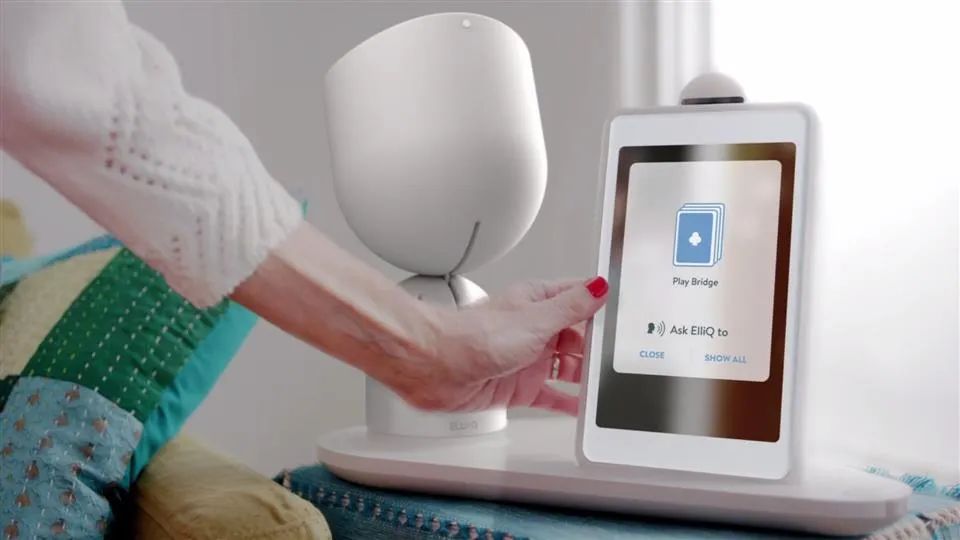
- Voice-activated devices like smart home systems
- Braille e-readers for blind individuals
These tools are designed to promote accessibility and independence by enabling individuals to participate fully in all aspects of society.
The Importance of Assistive Technology
1. Promoting Independence
One of the most significant benefits of assistive technology is its ability to foster independence among individuals with disabilities. For many people, simple tasks that most of us take for granted – such as reading a book, making a phone call, or accessing information online – can be challenging. AT offers solutions to overcome these challenges, allowing individuals to perform these tasks independently.
For example, a person with a visual impairment can use screen reader software that reads aloud the content on a computer or mobile screen, making it possible to browse the internet, send emails, or shop online without needing assistance. Similarly, mobility aids such as powered wheelchairs give individuals the ability to move freely and participate in activities that might otherwise be inaccessible.
2. Enhancing Communication
Communication is an essential part of daily life, and assistive technology has made significant strides in enhancing communication for individuals with speech, hearing, or cognitive impairments. Speech-generating devices (SGDs) help individuals with speech disabilities communicate effectively. These devices may range from simple picture boards to sophisticated systems that generate speech based on typed text or eye movements.
For those with hearing impairments, hearing aids, cochlear implants, and speech-to-text apps allow users to engage in conversations and hear sounds more clearly. Furthermore, augmentative and alternative communication (AAC) devices help individuals with limited verbal communication express themselves, improving their social interaction and mental well-being.
3. Education and Learning Opportunities
Assistive technology has opened up new opportunities for students with disabilities, enabling them to participate in mainstream education alongside their peers. AT tools like text-to-speech software, audio books, and customized learning apps make learning more accessible for individuals with learning disabilities such as dyslexia.
Specialized software for individuals with ADHD or autism can help with focus, organization, and self-regulation, ensuring that students can engage with the curriculum and succeed academically. With the increasing use of online learning tools, AT ensures that individuals with disabilities can access educational resources that are often offered in digital formats.
4. Enhancing Employment Opportunities
Employment is another area where assistive technology has made a significant impact. People with disabilities often face barriers to employment due to physical or cognitive challenges. AT can help bridge these gaps by providing tools that facilitate job performance.
For example, adaptive keyboards and voice recognition software allow individuals with physical disabilities to perform computer-based tasks. Job coaching apps can help individuals with cognitive disabilities navigate tasks and stay organized. These tools not only help people with disabilities stay productive but also allow them to contribute their talents to the workforce.
Types of Assistive Technology and Their Applications
1. Mobility Aids
For individuals with physical disabilities, mobility aids are perhaps the most essential form of assistive technology. Devices like wheelchairs, walkers, and prosthetic limbs provide individuals with the means to move around independently. Powered wheelchairs and scooters give people with mobility impairments the freedom to navigate longer distances, while accessible vehicles allow them to travel with ease.
2. Hearing Aids and Devices
Hearing loss is a common issue faced by many individuals, especially as they age. Hearing aids and assistive listening devices (ALDs) amplify sounds and improve speech recognition, making it easier for users to communicate and engage with their surroundings. Cochlear implants are another option for individuals with severe hearing impairments, providing them with the ability to perceive sound by directly stimulating the auditory nerve.
3. Visual Impairments
For people who are blind or visually impaired, assistive technology can help them engage with the world in new ways. Screen readers that convert text to speech or braille devices enable individuals to interact with digital content. Optical character recognition (OCR) systems allow printed text to be read aloud, while magnification software helps those with partial vision impairments see text and images more clearly.
4. Cognitive Aids
Individuals with cognitive disabilities such as memory problems, attention difficulties, or learning disabilities can benefit from a range of cognitive aids. These include specialized apps and software that help with time management, reminders, task organization, and social interactions. Speech-to-text programs can also help individuals with writing difficulties express their thoughts more easily.
5. Communication Aids
Augmentative and alternative communication (AAC) devices assist individuals with limited or no verbal communication. These devices range from low-tech options like picture communication boards to high-tech systems that use eye-tracking or brain-computer interfaces to generate speech. Communication apps on smartphones and tablets also enable users to express their needs and ideas.
The Impact of Assistive Technology on Quality of Life
The impact of assistive technology on quality of life cannot be overstated. By enhancing mobility, communication, and independence, AT allows individuals with disabilities to engage more fully in society. It reduces the reliance on caregivers, enables individuals to participate in activities they enjoy, and fosters social inclusion.
Furthermore, AT enables people to pursue careers, engage in education, and take part in community life without the barriers that once existed. This contributes to higher self-esteem, better mental health, and overall well-being. AT is also crucial in promoting equality, as it ensures that individuals with disabilities have the same opportunities as others.
Challenges and Future of Assistive Technology
While the benefits of assistive technology are clear, there are still challenges to overcome. The cost of many assistive devices can be prohibitively high, making them inaccessible to some individuals. There is also a need for greater awareness and training on the use of AT, as many people are unaware of the options available to them.
However, advancements in technology are making assistive devices more affordable and user-friendly. With the rise of artificial intelligence, machine learning, and the internet of things (IoT), new assistive technologies are emerging that can further improve accessibility and quality of life for individuals with disabilities.
Conclusion
Assistive technology has the power to transform the lives of individuals with disabilities, promoting independence, enhancing communication, and opening up new opportunities in education and employment. As technology continues to evolve, the possibilities for improving accessibility and inclusivity are limitless. By embracing the potential of assistive technology, society can ensure that individuals with disabilities are able to live their lives to the fullest.
Whether you’re a caregiver, an educator, a healthcare professional, or someone with a disability, the right assistive technology can make a world of difference. With ongoing advancements and innovations in this field, the future looks bright for creating a more accessible and inclusive world for all.
Buy Now Click Here
Follow Us on: Facebook