
Why Medication Mistakes Increase After Age 65 — And How to Prevent Them
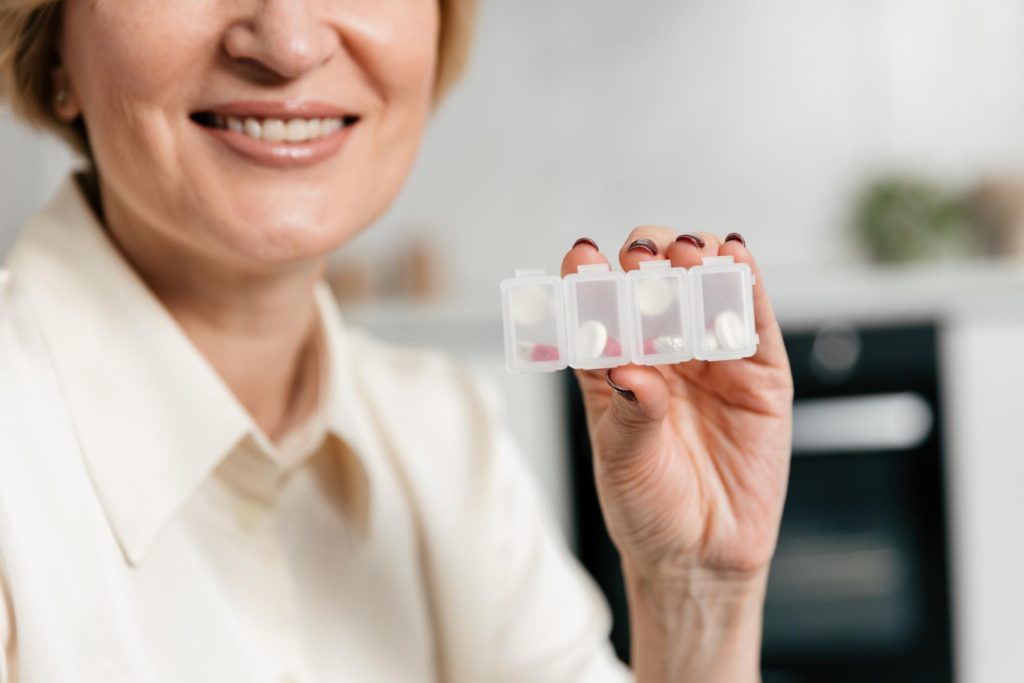
Medication errors are far more common than most people realize.
As we reach Elderhood, prescriptions often increase. A medication for blood pressure here, cholesterol there, maybe something for sleep, inflammation, or digestion.
Before long, many seniors are taking five, ten, or even more medications each day.
Doctors call this polypharmacy.
It simply means taking multiple medications at the same time.
While many prescriptions are necessary, the combination of several medications can sometimes create unexpected problems.
Understanding how medication mistakes happen is one of the most important steps in protecting your health.
The Hidden Risk of Multiple Medications
Every medication has a purpose. But medications can also interact with one another.
Some combinations may:
• reduce the effectiveness of another drug
• increase side effects
• create dangerous interactions
For example, certain medications that cause drowsiness can become much stronger when combined with sleep aids or anxiety medications.
Blood pressure medications may also interact with dehydration, causing dizziness or falls.
The more medications a person takes, the greater the need for careful monitoring.
Why Seniors Are Especially Vulnerable
The body processes medication differently as we age.
Several changes occur naturally:
Slower metabolism
The liver and kidneys break down medications more slowly. This means drugs may stay in the body longer than expected.
Changes in body composition
With age, muscle mass often decreases while body fat increases. Some medications accumulate differently because of this change.
Sensitivity to side effects
Older adults are often more sensitive to medications that affect the brain, including sedatives and certain pain medications.
This is one reason doctors try to avoid medications that increase confusion, dizziness, or fall risk.
The Most Common Medication Mistakes
Many medication problems are surprisingly simple.
Some of the most common mistakes include:
Taking two medications that contain the same ingredient
Cold medicines and pain relievers sometimes include the same active components.
Incorrect timing
Some medications must be taken with food, others on an empty stomach.
Mixing medications with supplements
Herbal products and supplements may interact with prescription drugs.
Forgetting doses
Missing doses or doubling up later can disrupt how medications work.
A Simple Medication Safety Strategy
Fortunately, there are practical steps seniors can take to reduce risk.
Keep a complete medication list
Write down every medication you take, including:
• prescriptions
• over-the-counter medications
• vitamins
• supplements
Bring this list to every doctor appointment.
Use one pharmacy
Pharmacists can often identify potential drug interactions. Using one pharmacy allows them to monitor your medication profile.
Review medications yearly
At least once a year, ask your doctor or pharmacist to review your medications and determine whether any are no longer necessary.
Ask questions
If a medication makes you feel unusually tired, dizzy, or confused, speak up.
Side effects should never be ignored.
The Role of Lifestyle in Reducing Medication Dependence
Another important part of medication safety is recognizing that some conditions can improve through lifestyle changes.
Healthy habits can support:
• blood sugar control
• blood pressure stability
• brain health
• joint function
Simple actions such as walking regularly, maintaining muscle strength, eating nutrient-rich foods, and getting quality sleep can make a meaningful difference.
In some cases, better lifestyle habits may even allow doctors to reduce medication dosages.
The Bottom Line
Medications save lives and improve health for millions of people.
But they must be used carefully, especially in Elderhood.
Understanding how medications interact and staying organized with prescriptions can prevent many common mistakes.
A little attention and awareness can go a long way toward protecting your health.
Final Thought
In Elderhood, knowledge becomes one of the most powerful tools we have.
The more we understand about our medications, the more confidently we can manage our health and maintain independence.