The Everyday Habit That May Quietly Protect Your Health After 60
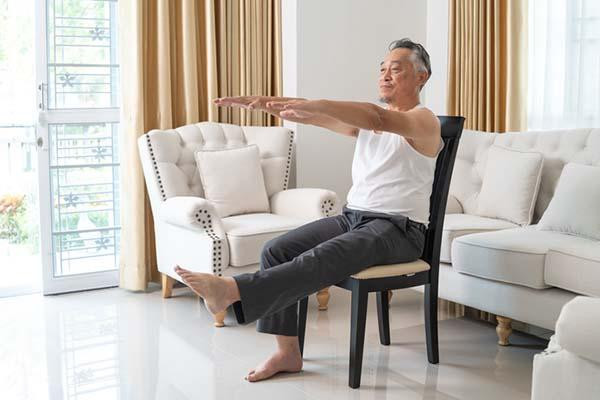
Introduction: The Problem Most Seniors Don’t See Coming
Most people think serious health problems show up suddenly.
A heart issue. Memory problems. Joint pain.
But here’s the truth:
Many of these issues build slowly, quietly, over years.
And what’s surprising is this:
one simple daily habit may influence all of them.
It’s not expensive.
It’s not complicated.
And no, it’s not some miracle supplement.
It’s movement.
Why Movement Becomes Critical After 60
As we age, three things tend to happen:
- Muscle mass declines, known as sarcopenia
- Circulation slows down
- Inflammation increases
Now here’s where it gets interesting.
According to research published in journals like The Lancet and JAMA, regular physical activity is linked to:
- Lower risk of heart disease
- Better brain function
- Reduced inflammation
- Improved mood and energy
And we’re not talking about running marathons.

The Boring but Effective Truth
You don’t need a gym membership.
What works best is simple, consistent movement:
- Walking Daily
Even 20 to 30 minutes a day can improve circulation and heart health. - Wall Push-Ups
No floor required. Builds upper body strength safely. - Chair Squats
Stand up, sit down. That’s it. Helps maintain leg strength and balance. - Stretching
Keeps joints flexible and reduces stiffness.
This is not bodybuilding.
This is staying functional and independent.
What Happens If You Don’t Move
Let’s be honest about this.
When movement stops:
- Muscles weaken faster
- Balance declines
- Risk of falls increases
- Energy drops
- Mood can suffer
And here’s the kicker:
once you lose muscle, it’s harder to rebuild later.
That’s why starting now matters.

The Brain Connection Most People Miss
Movement is not just physical.
It affects your brain.
Studies show that physical activity supports:
- Memory
- Focus
- Reduced risk of cognitive decline
Why?
Because movement increases blood flow to the brain and supports healthy neural activity.
In plain English:
move your body, help your brain.
The Simple Plan You Can Start Today
If you’re wondering where to begin, here’s a realistic plan:
- Morning: 10-minute walk
- Afternoon: 10 chair squats and 10 wall push-ups
- Evening: light stretching
That’s it.
No fancy equipment.
No complicated routines.
Just consistency.

Final Thought
If past is prologue, and it usually is,
then small habits today shape your future.
Movement is not about looking younger.
It’s about living better, longer, and stronger.
Read other blog:- Read Now
FAQ Section
- How much exercise do seniors really need?
Most experts recommend about 150 minutes of moderate activity per week, but even small amounts daily can make a big difference. - Is walking enough?
For many seniors, yes. Walking is one of the safest and most effective forms of exercise, especially when done consistently. - What if I have joint pain?
Low-impact movements like walking, stretching, and chair exercises are usually safe. Always check with your doctor if unsure. - Can you rebuild muscle after 60 or 70?
Yes. Research shows muscle can be rebuilt at any age with consistent, simple strength exercises. - What’s the biggest mistake seniors make?
Doing nothing. Waiting too long to start is far more harmful than starting small.