Can AI Really Help Detect Disease Early? What Seniors Should Know

Artificial intelligence sounds futuristic, maybe even a little intimidating. But what if it could help doctors spot disease before symptoms become serious?
That is not science fiction anymore.
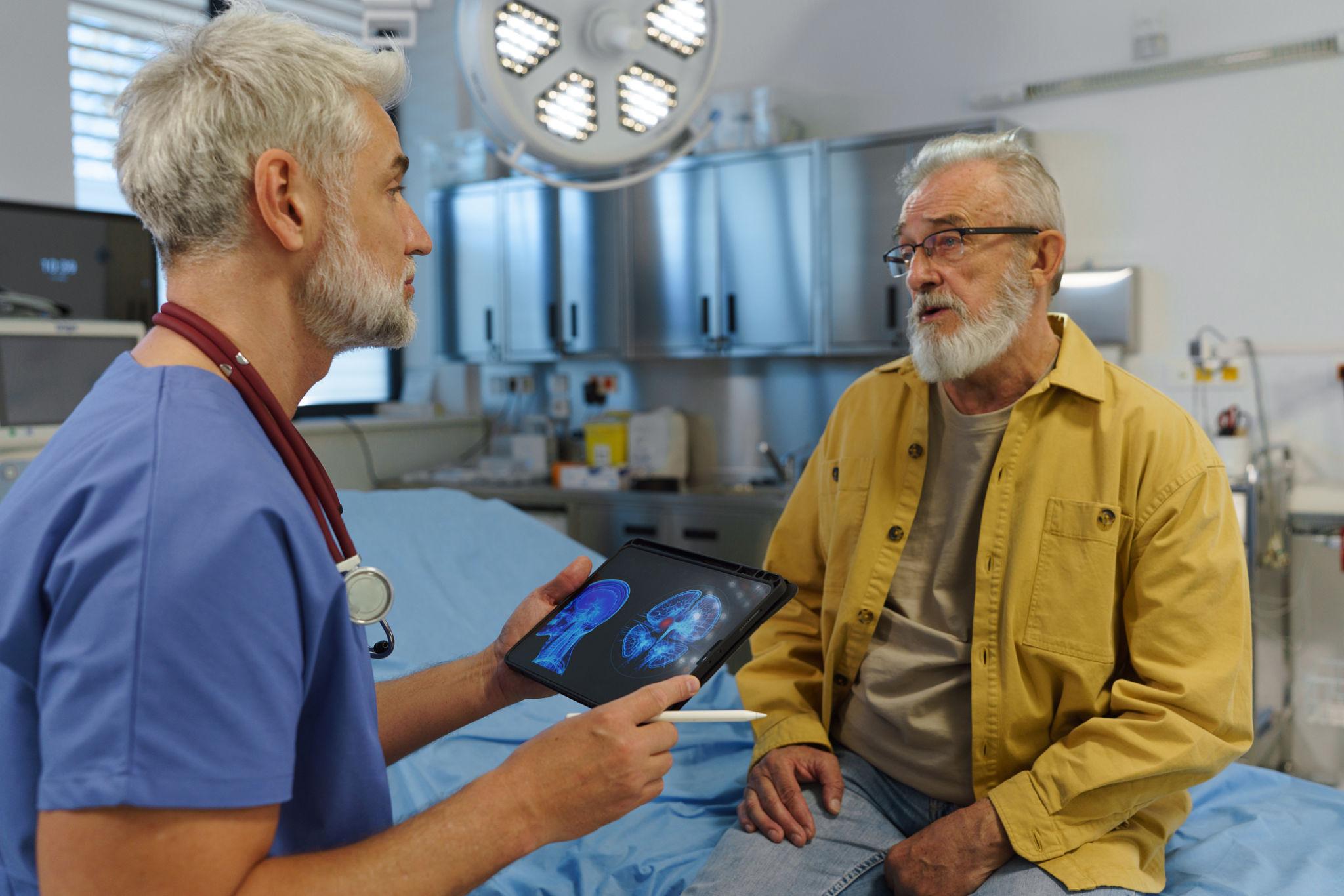
From detecting early cancers on scans to identifying subtle heart rhythm problems and even clues of memory decline, AI is quietly becoming a second set of eyes for medicine.
For seniors, that matters.
Because often the difference between a manageable condition and a crisis is catching it early.
AI Is Not Replacing Doctors
Let’s clear that up first.
AI is not some robot in a white coat.
Think of it as a super-fast assistant that can analyze patterns in huge amounts of data far beyond what a human can process quickly.
It helps doctors:
- Review X-rays and MRIs for tiny abnormalities
- Detect early signs of stroke
- Identify heart risks from routine tests
- Flag medication interactions
- Help recognize early cognitive changes
And in many cases, it may catch things that might otherwise be missed.

Why This Matters More After 60
As we age, small problems can become big problems.
A little artery plaque.
A tiny lung nodule.
Minor memory slips.
Changes in walking speed.
These things can mean more than they appear.
New AI tools are being studied to recognize these patterns sooner.
And sooner often means:
- More treatment options
- Lower medical costs
- Better outcomes
- More independence
That is a big deal.
Surprising Areas Where AI Is Helping
1. Heart Health
Some AI systems can analyze ECGs and detect warning signs doctors may not easily see.
That may help identify hidden heart risks before symptoms appear.
2. Cancer Screening
AI-assisted imaging is helping radiologists review mammograms, lung scans, and colon screenings with greater accuracy.
Early detection can save lives.
3. Memory and Brain Health
Researchers are studying AI tools that may detect subtle speech, behavior, or imaging patterns tied to cognitive decline.
Imagine getting an earlier warning instead of waiting until problems progress.
4. Medication Safety
For seniors taking multiple prescriptions, AI may help identify dangerous drug combinations and side effect risks.
That alone could prevent many hospitalizations.

But Here Is the Caution
Technology is a tool.
Not magic.
Not every headline is proven.
Not every AI breakthrough is ready for prime time.
And no software replaces good judgment, second opinions, or preventive habits.
Still…
The direction is fascinating.
Medicine is moving from reacting to disease…
Toward predicting it.
That may be one of the biggest changes in healthcare in our lifetime.
What Seniors Can Do Now
You do not need an AI robot in your living room.
Just do the basics well.
Ask about recommended screenings.
Stay current with checkups.
Monitor blood pressure.
Walk.
Sleep.
Protect hearing.
Challenge your brain.
Fight isolation.
Because technology may help detect disease…
But daily habits still help prevent it.
Keep it simple.
Take care of the body you have.
It may take care of you far longer.

FAQ
Can AI diagnose disease by itself?
No. AI can assist doctors, but it does not replace medical diagnosis or treatment decisions.
Is AI already used in hospitals?
Yes. Many hospitals and imaging centers already use AI-assisted tools for certain screenings and analysis.
Can AI help detect Alzheimer’s early?
Research is promising, especially using speech analysis, imaging, and pattern recognition, but much is still developing.
Will AI lower healthcare costs?
Potentially. Earlier detection may reduce expensive late-stage treatment.
Should seniors trust AI medicine?
Think of it as an extra layer of support, not a substitute for your physician.
Final Thought
For years medicine often waited until something broke.
Now technology may help spot cracks earlier.
That is a hopeful shift.
And for seniors, hope paired with prevention is powerful.
Read other blog:- Read Now