Why Do Your Feet Hurt as You Age? The Hidden Causes Seniors Often Miss
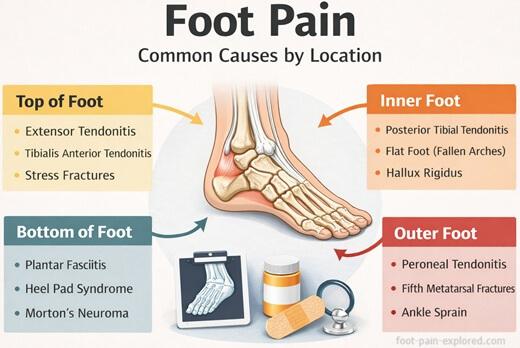
A lot of people think foot pain is just part of getting older. That’s a mistake. In many cases, your feet are trying to tell you something, and if you ignore it, it usually gets worse.
If you’re over 60 and dealing with burning, tingling, stiffness, or sharp pain in your feet, this isn’t just wear and tear. There are real causes and there are things you can do about it.

The Real Reasons Your Feet Start Hurting After 60
1. Nerve Damage (Neuropathy)
This is one of the most common causes. It often starts subtly with burning, tingling, numbness, or a pins and needles feeling. Many people don’t even know what to call it. It’s called peripheral neuropathy and is often linked to diabetes, vitamin deficiencies like B12, or poor circulation. Left alone, it can affect balance and increase fall risk.
2. Loss of Cushioning (Fat Pad Atrophy)
When you were younger, the bottom of your feet had natural padding. As you age, that padding thins out. Walking can feel like stepping on bone, especially in the heel or ball of the foot. Even good shoes may not feel comfortable anymore.
3. Arthritis in the Foot and Ankle
Arthritis doesn’t just affect knees and hips. It can show up in the toes, midfoot, and ankles. Symptoms include stiffness, swelling, and pain that worsens with movement. Many people don’t realize arthritis is the cause.
4. Poor Circulation
As circulation declines, your feet don’t get the blood flow they need. That can lead to cold feet, cramping, slow healing, and increased pain. This is especially common in people with heart or vascular issues.
5. Tendon and Ligament Wear (Tendonitis)
Over time, tendons wear down. Common areas include the Achilles tendon and the bottom of the foot. Symptoms include sharp pain when walking, pain after rest, and tightness. This is often just years of use catching up with you.

What You Can Do About It
1. Check Your Shoes
Many seniors wear shoes that are worn out or lack support. Look for proper cushioning, arch support, and a good fit. This alone can make a noticeable difference.
2. Support Your Nerves
If neuropathy is involved, check your Vitamin B12 levels, manage blood sugar, and stay active. Ignoring nerve issues only makes them worse.
3. Keep Moving
Movement improves circulation, flexibility, and strength. Even light daily walking can help.
4. Stretch Your Feet and Calves
Tight muscles increase pain. Simple daily stretching can reduce heel pain, tendon stress, and stiffness.
5. Don’t Ignore the Signs
Foot pain is not just discomfort. If it affects your balance or walking, it increases your risk of falling. That’s when it becomes serious.

Final Thoughts
You didn’t suddenly become old overnight. These issues build over time. The good news is they can often be managed or improved once you understand what’s going on.
Instead of saying this is just aging, ask what your body is trying to tell you.
Read other blog:- Read Now
FAQ
Is foot pain a normal part of aging?
It’s common but not normal. Most foot pain has a specific cause that can be addressed.
What are the first signs of neuropathy?
Burning, tingling, numbness, or a pins and needles sensation, usually starting gradually.
Can vitamin deficiencies cause foot pain?
Yes, especially low Vitamin B12, which can affect nerve health.
When should I see a doctor?
If the pain is persistent, worsening, or affecting your ability to walk or balance.
Can better shoes really help?
Yes. Proper support and cushioning can significantly reduce discomfort.