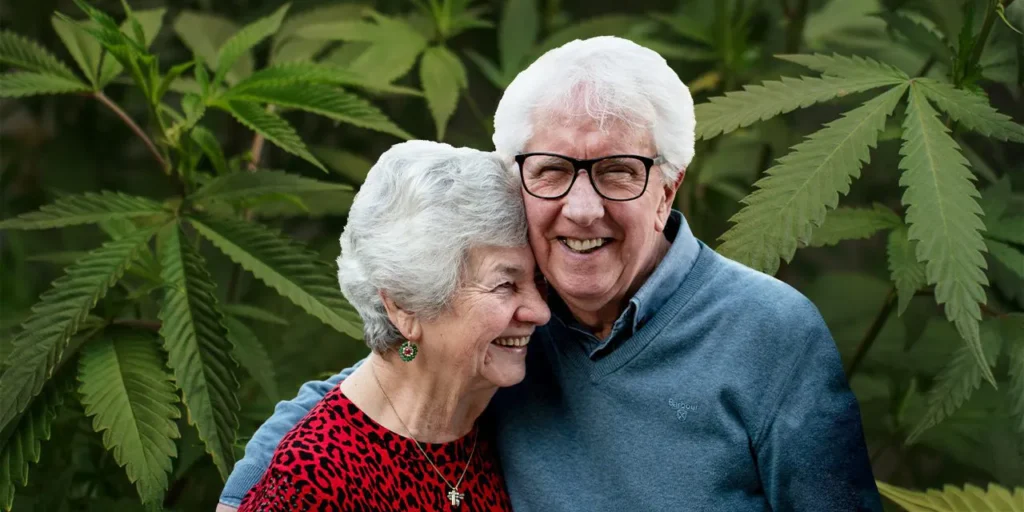
Did you ever think you’d see the day when marijuana became legal? For many of us, it’s still a shock. Once a substance hidden in the shadows, marijuana is now legal for both medical and recreational use in many places across the U.S. But here we are, in a world where marijuana is readily available even for seniors like you. This raises important questions: could marijuana improve your quality of life, or does it present too many risks for older adults? Before you make any decisions, let’s dive into the benefits and dangers of marijuana use for seniors.
Marijuana’s Surprising Legal Shift
The legalization of marijuana is a new frontier, particularly for older generations who grew up in an era when it was considered dangerous and illegal. As laws have changed, the stigma surrounding marijuana has begun to fade, opening up new possibilities for its use in a medical context. Many seniors are curious about its potential benefits but remain understandably cautious. After all, the body changes with age, and introducing a new substance—especially one that was once illegal—can be intimidating.
But marijuana has garnered attention in recent years for its possible health benefits, especially in treating chronic conditions that often accompany aging. Let’s explore some of these advantages.
The Benefits of Marijuana for Seniors
One of the main reasons seniors are turning to marijuana is for its ability to relieve symptoms of chronic health conditions, particularly those that come with aging. Conditions like arthritis, insomnia, and anxiety are common among older adults, and research suggests that marijuana may offer relief.
1. Pain Relief
Chronic pain is a significant issue for many seniors. Arthritis, a condition that affects the joints and causes pain, stiffness, and inflammation, is one of the most common causes of discomfort in older adults. Marijuana has been shown to help manage chronic pain, particularly pain associated with arthritis. Cannabinoids, the active compounds in marijuana, can reduce inflammation and interact with pain receptors in the body, providing relief without the need for opioids or other harsh medications.
2. Better Sleep
As we age, sleep patterns often become disrupted. Many seniors struggle with insomnia or restless nights. Studies have shown that marijuana, particularly strains high in the compound CBD (cannabidiol), can promote relaxation and improve sleep quality. Some seniors find that using marijuana before bed helps them fall asleep faster and stay asleep longer, resulting in more restful nights.
3. Reduced Anxiety and Depression
Mental health issues, such as anxiety and depression, are prevalent among older adults. These conditions can worsen as seniors face life changes, health challenges, or social isolation. Marijuana has been shown to reduce anxiety and promote a sense of calm in some users. In fact, CBD, a non-psychoactive compound in marijuana, is known for its anti-anxiety effects. For seniors dealing with anxiety or low moods, marijuana could offer an alternative to traditional antidepressants or anti-anxiety medications.
4. Combating Loneliness
Loneliness and isolation are common challenges for older adults, especially those who live alone or are separated from their families. While marijuana won’t directly resolve loneliness, it may enhance social interactions or reduce the emotional toll of isolation. Some seniors have reported feeling more relaxed and open to connecting with others after using marijuana, making it easier to engage in social activities.
5. Improving Appetite
Many seniors struggle with appetite loss due to medications, illness, or age-related changes in taste and smell. Marijuana particularly strains high in THC (tetrahydrocannabinol), is known for its ability to stimulate appetite. This can be especially beneficial for seniors who need to gain weight or improve their nutritional intake.
The Dangers of Marijuana for Seniors
While marijuana offers potential benefits, it’s important to recognize that it’s not without risks. Just as with any other medication or supplement, marijuana can have side effects, and its effects on older adults can differ from those on younger users. Here are some of the potential dangers to consider.
1. Drug Interactions
As we age, we tend to take more medications. Whether for blood pressure, heart disease, diabetes, or other chronic conditions, many seniors are on multiple prescriptions. Marijuana can interact with certain medications, sometimes in dangerous ways. For example, marijuana can affect blood pressure, and when combined with blood pressure medications, it could lead to dizziness or fainting. Additionally, marijuana can slow the liver’s ability to metabolize drugs, potentially leading to higher levels of certain medications in the bloodstream, which could cause adverse effects. This is why it’s crucial for seniors to consult with their healthcare providers before trying marijuana, especially if they are on other medications.
2. Cognitive Effects
Another concern for seniors is marijuana’s effect on cognitive function. While marijuana may provide relief from pain and anxiety, it can also impair memory, concentration, and decision-making. For older adults who are already experiencing age-related cognitive decline, marijuana could exacerbate these issues. In some cases, seniors have reported confusion, disorientation, or forgetfulness after using marijuana, especially when using strains high in THC.
3. Dependency Risk
Though marijuana is often touted as a natural remedy, it’s important to remember that it can still be habit-forming. Some users may develop a dependency on marijuana, particularly if they begin using it frequently to manage pain, anxiety, or other issues. While the risk of addiction is lower compared to substances like opioids or alcohol, it’s still something to be aware of. Seniors should use marijuana responsibly and be mindful of any signs of dependency, such as using it more frequently than intended or feeling unable to stop.
4. Balance and Coordination Issues
Marijuana can affect coordination and balance, which is a significant concern for older adults. Falls are a leading cause of injury among seniors, and anything that increases the risk of falling should be approached with caution. Some strains of marijuana, particularly those high in THC, can cause dizziness or impair coordination, making it more likely for seniors to lose their balance.
5. Legal and Social Considerations
Although marijuana is legal in many states, it’s not legal everywhere. Seniors who live in areas where marijuana is still illegal should be aware of the potential legal consequences of using it. Additionally, even in places where it’s legal, some seniors may feel uncomfortable or face judgment from others for using marijuana, especially if they’ve been taught to view it as dangerous or immoral.
Making an Informed Decision
So, is marijuana the right choice for you? That depends on your health needs, lifestyle, and personal preferences. For some seniors, the benefits of marijuana far outweigh the risks, especially if they’re looking for alternative ways to manage chronic pain, sleep issues, or anxiety. However, others may find that the potential side effects or interactions with medications make marijuana an unsuitable option.
The most important thing is to make an informed decision. Here are some key steps to take if you’re considering marijuana:
Consult with your doctor: This is the first and most crucial step. Your healthcare provider can help you determine whether marijuana is a safe option for you based on your medical history, current medications, and health conditions.
Start with a low dose: If you’ve never tried marijuana before, start with a small amount. This will allow you to gauge how your body reacts to it and minimize the risk of side effects.
Monitor for side effects: Keep track of how you feel after using marijuana. If you experience dizziness, confusion, or other concerning symptoms, stop using it and consult your doctor.
Choose the right strain: Marijuana comes in many different strains, each with varying levels of THC and CBD. If you’re using marijuana for medical purposes, ask your doctor or a knowledgeable professional to recommend a strain that’s appropriate for your needs.
Conclusion: Weighing the Pros and Cons
Marijuana is no longer a taboo subject for seniors. With its legalization and growing acceptance, more and more older adults are exploring marijuana as a possible solution for managing the aches and pains of aging. The key is to approach it with caution, just as you would with any new treatment. By understanding the potential benefits and risks, and by consulting with your healthcare provider, you can make an informed decision about whether marijuana is right for you.
At the end of the day, you deserve to live a happy, healthy life. Whether that involves marijuana or other treatments is up to you and your doctor to decide.
For more guidance on healthcare options, including finding the right Medicare plan for your needs, visit MedicareSelfEnroll.com to explore plans available in your area. Your health is your most valuable asset, so make the best choices for you and your future.